
Miss Lilly: The Cute Little Llama
Nov 4, 2026
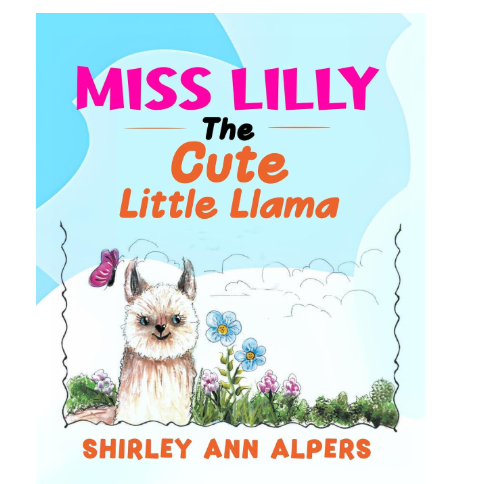
Los Angeles, California Nov 4, 2026 (Issuewire.com) - A Farmyard Story with a Universal Message of Care
Children's author Shirley Ann Alpers invites young readers into the gentle, engaging world of Miss Lilly: The Cute Little Llama, a picture book inspired by the birth of a baby llama on a family farm. Through the care offered by a farmer and his wife, and through the animals who share the farm, the story introduces children to the wonder of new life and the meaningful connections that can grow between people and animals.
The farm setting gives the story an inviting sense of familiarity and discovery. Llamas join a lively community that includes chickens, donkeys, goats, and sheep. Daisy and Lurenzo become part of the farm family, and Daisy's changing behavior prompts the farmer's wife to learn more about llama behavior. The arrival of a baby llama becomes the emotional center of a story about attentive care, curiosity, and the responsibilities that come with welcoming another living creature.
Rather than presenting farm life as scenery alone, the book uses the farm as a place where children can observe relationships and learn through everyday events. Its animal characters offer an accessible entry point for conversations about gentleness, patience, protection, and the importance of noticing what another being may need.
Miss Lilly: The Cute Little Llama is positioned as a family-friendly reading experience for young children and the adults who share books with them. Its subject matter can support read-aloud moments at home, in early-learning settings, and in other settings where adults encourage children to ask questions about animals and the natural world.
In-Depth Literary Analysis: Subject Matter, Themes, and Meaning
New life and the meaning of welcome. The birth of a baby llama gives the narrative a clear emotional focus: the arrival of a new life changes the rhythms and relationships of a household. For young readers, this premise can make the ideas of welcome, belonging, and family concrete. The baby animal is not simply an addition to the farm; its arrival invites the people around it to respond with attention and care.
Caregiving as an expression of love. The farmer and his wife are important because their actions model responsibility. The story's central relationship suggests that affection is expressed not only through words or cuddly moments, but through daily acts: observing, learning, feeding, protecting, and responding to an animal's needs. This is a valuable distinction for children, who are still learning that caring for another living being involves consistent action.
Empathy and perspective-taking. Animal-centered stories can help children practice thinking beyond their own immediate experience. A young reader may wonder why an animal behaves in a particular way, what it needs, or how a person can respond kindly. The farmer's wife seeking information about llama behavior offers a useful model: when something is unfamiliar, curiosity and learning are better responses than assumption or impatience.
Learning through observation. The farm setting encourages readers to notice behavior, change, and the relationships among living things. Daisy's behavior becomes a prompt for inquiry, demonstrating how observation can lead to questions and further understanding. In this way, the story can complement early learning about animals and the natural environment without turning the reading experience into a formal lesson.
Family, belonging, and community. The farm's collection of animals creates a small community. Each creature contributes to the setting and helps children understand that a family or community can include members with different needs and characteristics. The story's gentle focus on connection can open conversations about welcoming newcomers, treating others with respect, and making room for differences.
Illustration and read-aloud potential. As a picture book, visual storytelling is an important part of how the subject matter can reach young readers. Animal expressions, farm details, and the contrast between familiar human care and the distinctive behavior of llamas can give adults and children opportunities to pause, describe, predict, and discuss. Shared reading can therefore become an interactive experience rather than a one-way presentation of text.
Global Reader Relevance and Potential Impact
The story's themes are not limited to one country or one kind of farm. Children across cultures encounter questions about family, welcoming a new arrival, caring for animals, and learning about living things. Although farms and animal-care practices differ around the world, the underlying ideas of attentiveness, kindness, responsibility, and respect can be understood across many settings.
Empathy and humane treatment of animals. By placing animal care at the center of the narrative, the book can encourage readers to consider animals as living beings with needs, behaviors, and vulnerabilities. In family or classroom discussions, adults can use the story to introduce age-appropriate ideas about gentle handling, safe interaction, and responsible animal care.
Early literacy and shared reading. Picture books can help adults build language and comprehension through naming, describing, sequencing, predicting, and asking questions. The recognizable farm environment and animal characters in Miss Lilly provide natural prompts for these activities. Shared reading also creates an opportunity for bonding between children and caregivers, regardless of whether the reading takes place at home, in a library, or in an early-childhood classroom.
Curiosity about nature and rural life. For children who live in cities or suburbs, a farm story can offer a window into animals and routines they may not encounter every day. For children who already know farm life, it may offer familiar points of recognition. In either case, the setting can encourage questions about where food and materials come from, how animals are cared for, and how people interact with the natural world.
Values that travel across cultures. Compassion, patience, family connection, and responsibility are values that can be discussed in many cultural contexts. The book does not need to claim that every reader will interpret the story in the same way. Rather, it offers a shared starting point for conversations shaped by each family's language, traditions, and experiences.
A measured view of global impact. The book's themes have international relevance and may support meaningful conversations among diverse young readers. This is a statement about the story's potential resonance, not a claim of measured worldwide readership, educational outcomes, or proven social impact. Actual reach will depend on availability, translation, distribution, accessibility, and engagement by families, educators, and libraries.
Film and Visual Storytelling Potential
The book's farm setting, animal ensemble, and emotionally accessible premise offer elements that could be explored in a family-oriented screen adaptation. The arrival of a baby llama, the relationship among Daisy and Lurenzo, and the farmer and his wife's attentive care provide visual situations that could be developed through character action, setting, and expressive animal behavior.
A screenplay adaptation would require a separate creative process to determine structure, scene progression, dialogue, pacing, and the visual treatment of the story. Any adaptation would also need to respect the underlying literary work and the relevant rights. The book's subject matter may provide a foundation for creative exploration, but this press release does not imply that a film has been approved, financed, cast, or scheduled for production.
About the Book
Miss Lilly: The Cute Little Llama is a children's story about the birth of a baby llama and the care the young animal receives from a farmer and his wife. When the farmer and his wife decide to welcome llamas to their farm, Daisy and Lurenzo join a lively collection of animals that includes chickens, donkeys, goats, and sheep. As Daisy begins behaving differently, the farmer's wife looks for information about llama behavior. The story follows the farm family as they learn more about these distinctive animals and experience the arrival of a new little life. Through its farmyard setting and affectionate focus on animal care, the book introduces young readers to the wonder of birth, the value of learning, and the love that can grow when people care for animals.
ABOUT THE AUTHOR
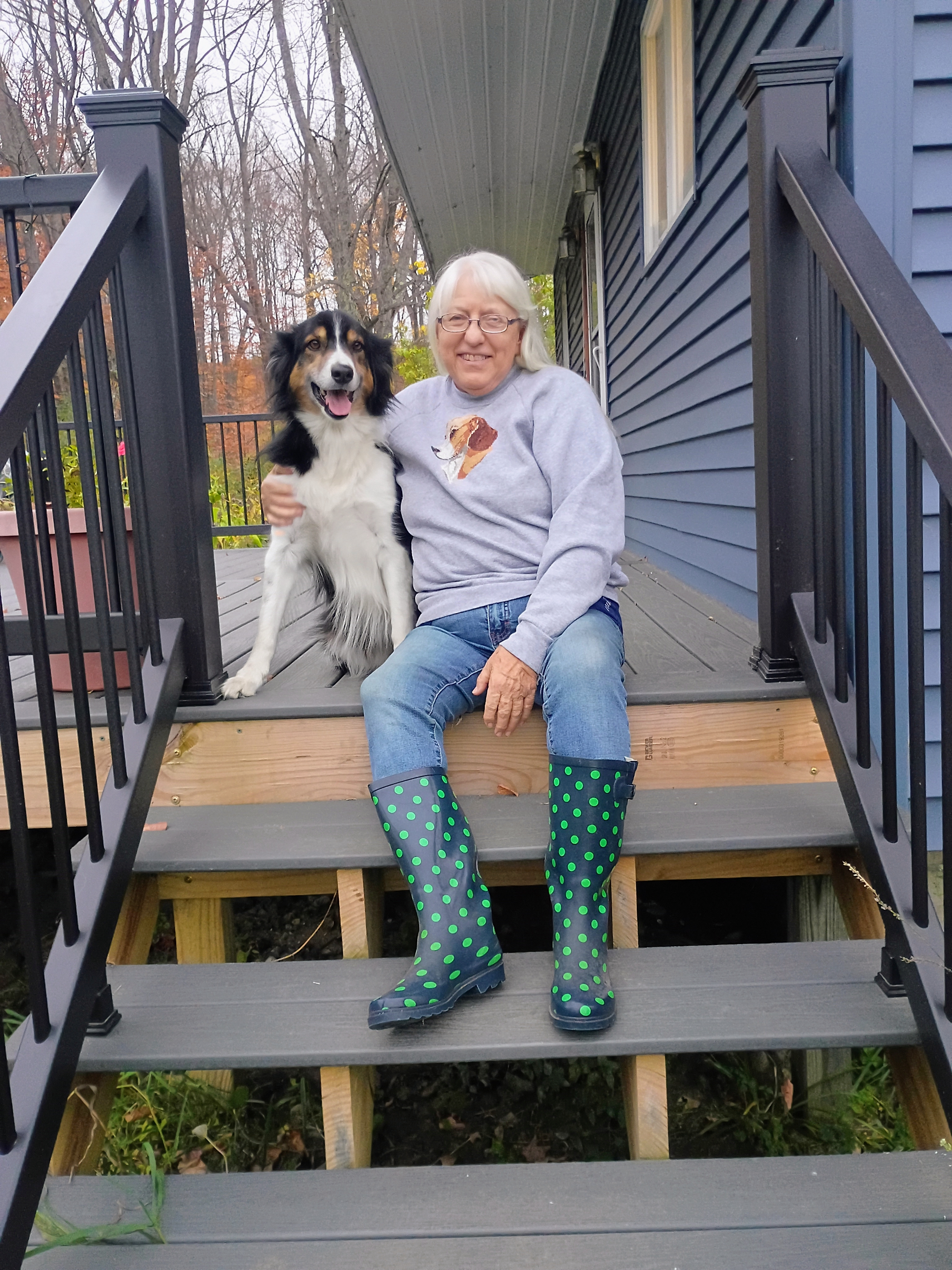
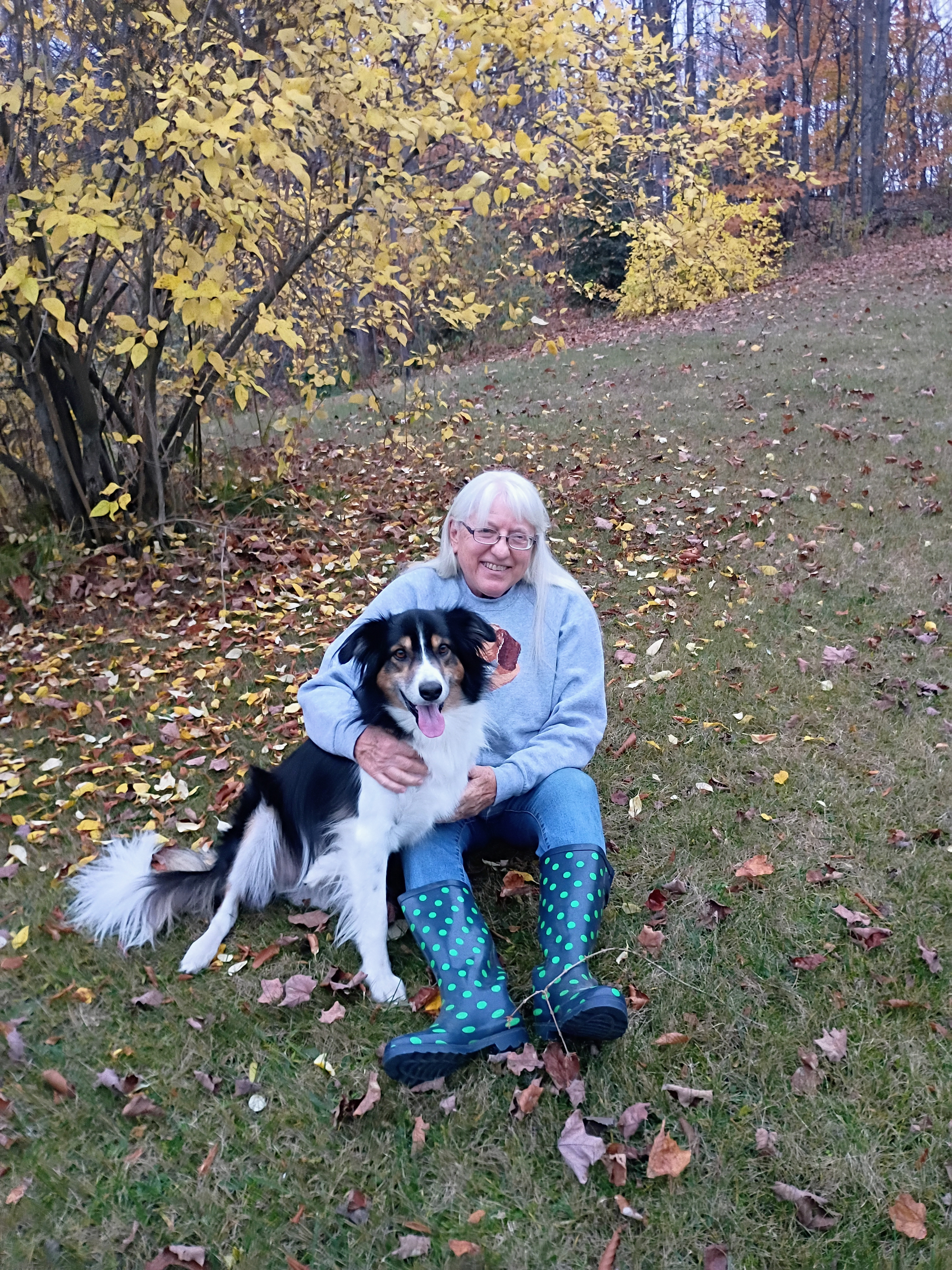
Shirley Ann Alpers is a children's author whose inspiration for Miss Lilly: The Cute Little Llama grew from her own experience of farm life and the birth of a baby llama. Her published author biography describes her as a Registered Nurse with four decades of professional experience and a farm owner who shares her home with a variety of animals.
Alpers has spoken about the lessons people can learn by observing and caring for animals, particularly the affection and trust that can develop through consistent care. That perspective informs the heart of Miss Lilly: a story that brings together her interest in children's literature and her firsthand familiarity with animals and farm routines.
By drawing inspiration from a real-life farm experience, Alpers offers young readers a story rooted in observation, affection, and an appreciation for the natural world.
Public Relations and Media Contact
Author: Shirley Ann Alpers
Book: Miss Lilly: The Cute Little Llama
Media inquiries: Shirley Ann Alpers
Email: [email protected]
Telephone: 231-271-6656 / 231-866 -0172
Closing Statement
With its focus on new life, caregiving, curiosity, and the bond between people and animals, Miss Lilly: The Cute Little Llama offers families and educators an inviting way to begin conversations about compassion and responsibility. Shirley Ann Alpers' farm-inspired story reminds readers that meaningful lessons can emerge from paying attention to the living world around us. Its themes provide a foundation for continued literary engagement and for exploring how the story might be thoughtfully translated into other creative formats
Source :Equinox Lit Solutions
This article was originally published by IssueWire. Read the original article here.
More News











YOUR NEWS, OUR NETWORK.
Do you have Great News you want to tell the world?
Be it updates about your business or your community, you can make sure that it’s heard by submitting your story to our network reaching hundreds of news sites across 6 verticals.